
Understanding the Importance of a Safe Play Space
Creating a safe play space for your young child is not just a parental responsibility but a crucial step in nurturing their development and well-being. This space serves as a sanctuary where imagination can blossom, physical activity can thrive, and social skills can begin to take root. But why is it important to meticulously craft this environment? Simply put, a well-designed play area can significantly reduce the risk of injuries, thereby ensuring peace of mind for parents and guardians.
Children, especially in their formative years, are naturally curious and eager to explore the world around them. A secure play space allows them to engage in this exploration freely and confidently. When every corner of their environment is crafted with safety in mind, children are emboldened to push boundaries and learn from their surroundings, which is essential for cognitive and motor development. Moreover, a safe play space also promotes independence. When children know they are in a secure environment, they are more likely to engage in self-directed play, an important aspect of early childhood learning.
Furthermore, designing a safe play area reflects your proactive commitment to your child’s health and safety. It involves choosing age-appropriate toys, ensuring furniture has rounded edges, and using non-toxic materials. This attentive approach not only enhances your child’s play experience but also aligns with broader parenting goals of nurturing a healthy, happy, and secure childhood. By understanding the pivotal role of a safe play space, you can support your child’s growth in a manner that is both joyful and secure.
Essential Elements for Creating a Safe Play Environment
Creating a safe play environment for your young child is crucial, not only for their physical safety but also for fostering a sense of independence and imagination. As a parent or caregiver, it’s essential to evaluate the play area thoroughly, ensuring it’s a haven where your child can explore and grow without unnecessary risks. Here are some vital elements to consider when designing such a space.
1. Child-Friendly Furniture
Start by incorporating child-sized furniture that is stable and has rounded edges. This not only minimizes the risk of injury but also allows your child to navigate their environment more comfortably. Avoid furniture with sharp corners or those that can tip over easily.
2. Non-Toxic Materials
Ensure that all materials used in the play area, from paints to toys, are non-toxic. Opt for eco-friendly, durable products that can withstand the wear and tear of active play. Regularly check toys for any signs of wear that could pose a hazard.
3. Soft Flooring
To cushion any falls, consider installing soft flooring options like foam mats or carpets. These materials not only provide a safer surface but are also comfortable for crawling or sitting.
4. Secure Storage Options
Keep the play area organized with secure storage solutions. Shelving units should be anchored to the wall to prevent tipping. Ensure that heavy items are stored at a lower level to avoid accidents.
5. Supervision and Accessibility
Finally, while creating a safe environment is paramount, supervision should never be overlooked. Ensure the play area is easily accessible for adults to monitor activities closely. This not only enhances safety but also allows for meaningful interaction during playtime.
Creating a safe play environment is about balancing freedom with safety, allowing your child to explore while minimizing risks. By focusing on these essential elements, you can cultivate a nurturing space that supports your child’s development and your peace of mind. Ready to create the perfect play area? Explore our full product line for safe and innovative solutions.
Selecting Age-Appropriate Toys and Equipment
Creating a safe play space for your young child is an essential step in nurturing their development while ensuring their safety. The cornerstone of this effort is choosing age-appropriate toys and equipment, which not only supports their growth but also keeps playtime engaging and fun. When selecting toys, consider the developmental stage of your child. This thoughtful approach ensures that the items are not only safe but also enriching, promoting curiosity and learning.
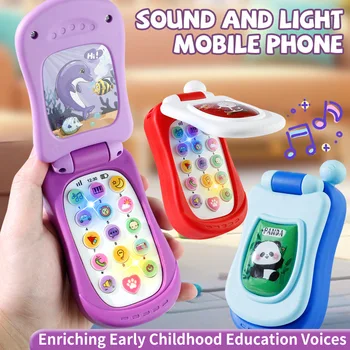
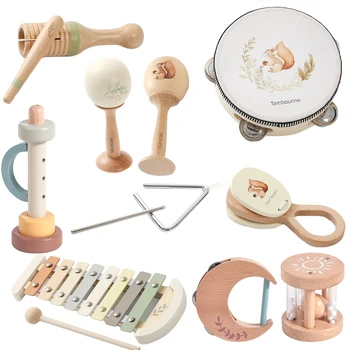
For infants, opt for toys that stimulate the senses, such as soft, colorful rattles and textured balls. These items not only captivate their attention but also help in developing motor skills and hand-eye coordination. As your child grows into the toddler stage, it’s beneficial to introduce puzzles and building blocks. These toys encourage problem-solving and creativity, laying a foundation for more complex cognitive skills.
When it comes to equipment, safety is paramount. Always check for sturdy construction and non-toxic materials, particularly for items like playpens and walkers. It’s advisable to avoid toys with small parts for children under three, as these can pose choking hazards. Additionally, ensure that outdoor play equipment is age-appropriate and installed securely to prevent accidents.
By thoughtfully selecting toys and equipment that align with your child’s age and developmental needs, you create a nurturing environment that supports both their safety and their innate curiosity. If you have questions about the best toys for your little one, feel free to reach out to us.
Implementing Safety Measures and Precautions
Creating a safe play space for your young child is a paramount concern for any parent. Ensuring that this area is secure and free from potential hazards not only provides peace of mind but also fosters a nurturing environment where your child can explore, learn, and grow. Here are key considerations to keep in mind when designing a child-friendly space.
Childproofing Essentials
Begin by assessing the play area for any sharp corners, loose cords, or small objects that could pose a choking hazard. Utilize corner guards, cord organizers, and safety gates to mitigate these risks. Additionally, anchoring heavy furniture to the walls can prevent tipping accidents, ensuring that curious climbers remain safe.
Non-Toxic Materials
When selecting toys and furnishings, prioritize items made from non-toxic materials. Ensure all toys are age-appropriate and free from detachable small parts. Opt for eco-friendly paints and finishes that minimize exposure to harmful chemicals, contributing to a healthier play environment.
Supervision and Accessibility
While safety measures are crucial, supervision remains a key component of a secure play space. Arrange the layout so you can easily observe your child from a distance, allowing them independence while maintaining vigilance. Moreover, ensure that essential items are within easy reach to avoid unnecessary climbing or stretching.
Implementing these safety precautions not only protects your child but also encourages their natural curiosity and development. By taking these proactive steps, you can create a sanctuary where your child feels both safe and free to explore.
For more tips on child safety and parenting insights, explore our resources or contact our experts for personalized advice.
Maintaining and Inspecting the Play Space Regularly
Creating a safe play space for your young child is not just about initial setup; it requires ongoing maintenance and regular inspections to ensure that it remains a secure environment. As a parent or caregiver, it is crucial to establish a routine for checking the play area’s safety features. This practice helps to identify potential hazards that may arise over time and ensures that your child can play freely without unnecessary risks.
Firstly, begin by inspecting all equipment and toys for any signs of wear and tear. Look for sharp edges, loose parts, or broken pieces that could pose a danger to your child. Regularly clean and sanitize the toys to prevent the spread of germs, especially for items that are frequently handled or placed in the mouth. It’s beneficial to replace or repair damaged items promptly to maintain a safe play environment.
Furthermore, evaluate the play space for environmental hazards. This includes checking for uneven surfaces, which can lead to falls or injuries. Ensure that the flooring is appropriate for the activities that take place in the area, such as having soft mats for a toddler’s play zone. Also, pay attention to potential choking hazards, ensuring small objects are kept out of reach.
Additionally, keep an eye on the accessibility of the play area. Ensure that safety gates are securely fastened, especially if the play space is near stairs or other risky zones. Regularly check that electrical outlets are covered and cords are out of reach. By taking these precautionary measures, you can significantly reduce the risks associated with your child’s playtime.
Maintaining a safe play space is an ongoing commitment that fosters peace of mind for parents and a joyful, secure environment for children. By following these steps, you can create a nurturing space that encourages your child’s growth and exploration. Ready to enhance your child’s play area? Explore our comprehensive guide to child-safe products.





0 Comments