
Understanding the Impact of Clutter on Family Life
Clutter is more than just a nuisance; it’s a silent disruptor that can significantly impact the tranquility and functionality of family life. As families grow and change, so does the accumulation of belongings—particularly in homes with young children. The colorful toys, scattered books, and assorted clothing items may seem harmless, yet they often become overwhelming, leading to increased stress and tension within the household.
One of the primary effects of clutter is its ability to create an environment of chaos, which can be particularly challenging for both parents and children. Clutter can hinder daily routines, making it difficult to find essential items or navigate through living spaces efficiently. This disorganization can lead to frustration and wasted time, which might exacerbate stress levels, especially in busy households where time is a precious commodity.
Moreover, clutter has been shown to impact mental wellbeing. Studies suggest that cluttered spaces can lead to feelings of anxiety and depression, affecting everyone in the family. Children, in particular, thrive in environments that are structured and orderly, where they can play and explore without limitations set by disarray. Thus, maintaining a clutter-free home is not merely about aesthetics; it’s about creating a nurturing environment conducive to growth and happiness.
- Impact on Routine: Clutter disrupts daily activities, making tasks more time-consuming.
- Emotional Well-being: A cluttered home can increase stress and anxiety.
- Child Development: Children benefit from tidy spaces that promote safety and exploration.
Understanding these impacts is the first step in taking control of your living space. By acknowledging the silent role clutter plays in family dynamics, you can take proactive measures to simplify your environment. This not only enhances your family’s daily life but also fosters a more harmonious and supportive home atmosphere.
Identifying Common Sources of Clutter with Kids
Clutter can be a significant challenge when raising children, but identifying its common sources is the first step towards managing it effectively. Toys, clothes, and school supplies often top the list, each contributing uniquely to the household chaos. Understanding these sources can help parents take proactive measures to maintain a tidy and organized home.
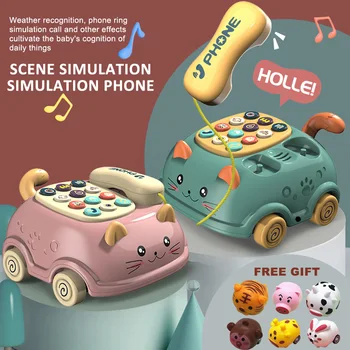
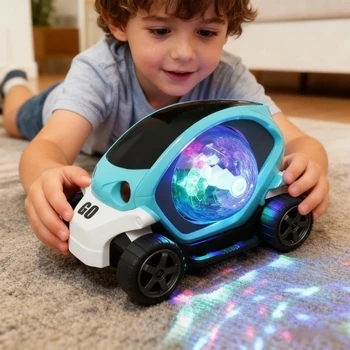
Toys are perhaps the most notorious culprits, as they seem to multiply overnight. From stuffed animals to building blocks, toys are essential for a child’s development but can quickly overwhelm a space. Implementing storage solutions like bins or shelves can help contain the toy invasion, making cleanup quicker and more manageable.
Another significant contributor to clutter is children’s clothing. As kids grow, they outgrow clothes rapidly, leaving piles of garments that no longer fit. Regularly sorting through their wardrobe to remove outgrown items can reduce this clutter source. Donating or passing down gently used clothing can also be a rewarding activity that teaches children the value of sharing.
School supplies represent another clutter challenge, as papers, books, and art projects often accumulate over time. Establishing dedicated storage spaces for these items, such as drawers or file folders, can help keep them organized and accessible. Encouraging kids to regularly review and discard unnecessary papers can also foster good organizational habits.
By identifying and addressing these common sources of clutter, parents can create a more harmonious living environment. Want more tips on organizing with kids?
Practical Ways to Involve Kids in Decluttering
Decluttering can be a daunting task, especially when children are involved. However, transforming this necessary chore into a family activity can make it both effective and enjoyable. Engaging children in decluttering not only helps to manage the mess but also instills organizational skills early on. Here are some practical ways to involve your kids in decluttering:
Make it a Fun Challenge
Children respond well to games and challenges. Turn decluttering into a game by setting a timer and seeing who can find the most items to donate or recycle. Offer small rewards for their participation, such as extra playtime or a special treat after the task is completed. This method makes cleaning less of a chore and more of a fun activity.
Assign Responsibilities
Give kids specific areas to manage. Assign each child a room or a section of the house they are responsible for. This not only makes them feel important but also teaches them accountability. Encourage them to organize their toys, books, and clothes, explaining the importance of keeping things tidy and how it helps everyone find what they need more easily.
Introduce the “One In, One Out” Rule
Teach children the concept of the “One In, One Out” rule. For every new toy or item they receive, they must choose one to donate or discard. This rule helps maintain a manageable level of possessions and encourages kids to make thoughtful decisions about the items they truly value.
Use Storytelling
Incorporate storytelling into the decluttering process. Tell tales of where their old toys might end up, such as bringing joy to another child. This narrative approach can make parting with items easier for kids, as they understand their toys can have a new life elsewhere.
By involving children in the decluttering process, you not only achieve a tidier home but also impart valuable life skills. A clean space is easier to maintain and provides a more harmonious environment for everyone. Ready to make clutter control a family affair? Start organizing today and experience the benefits of a decluttered home.
Creating Simple and Effective Storage Solutions
In the whirlwind of parenting, maintaining an organized space amidst the chaos of toys, clothes, and school supplies can be challenging. However, by implementing simple and effective storage solutions, you can easily conquer the clutter and regain a semblance of order in your home.
Understand Your Needs
To begin, assess the unique needs of your household. Are you dealing with an abundance of toys, or is the issue more about clothing overflow? Understanding your specific clutter challenges is the first step in creating a tailor-made storage solution that works effectively for your family.
Innovative Storage Options
Once you’ve identified your needs, explore innovative storage options that maximize space without compromising on aesthetics. Consider investing in multi-functional furniture such as ottomans with hidden storage or beds with pull-out drawers. These not only provide ample storage but also blend seamlessly into your home’s decor.
Utilize Vertical Space
Don’t overlook vertical space. Shelving units and wall-mounted storage can be lifesavers when floor space is limited. Use these to store items that are used less frequently, keeping everyday essentials within easy reach for your children.
Organization with Labeling
Labeling is another effective strategy to maintain organization. Clearly marked bins and boxes can help children learn where their belongings belong, fostering responsibility and making cleanup a breeze.
By implementing these strategies, you not only create a more organized environment but also instill valuable organizational skills in your children. Ready to transform your home? Explore our full product line for storage solutions that fit seamlessly into your lifestyle.
Maintaining a Clutter-Free Home with Regular Routines
Maintaining a clutter-free home when you have children is a challenge faced by many parents. The secret lies in establishing regular routines that not only streamline your daily activities but also instill a sense of responsibility in your little ones. By setting up simple yet effective routines, you can transform your home into a serene and organized sanctuary.
Incorporate Daily Clean-Up Sessions
One of the most effective ways to manage clutter is by incorporating daily clean-up sessions. Designate a specific time, perhaps before dinner or bedtime, when the entire family comes together to tidy up. Involve your children by making it a fun activity—turn on some music, set a timer, and turn cleaning into a game. This not only reduces clutter but also teaches kids the importance of taking care of their space.
Utilize Storage Solutions
Investing in smart storage solutions can significantly aid in keeping your home clutter-free. Use labeled bins for toys, books, and art supplies, and encourage your children to return items to their designated spots after use. This practice not only keeps things tidy but also helps children develop organizational skills.
Establish Morning and Evening Routines
Creating structured morning and evening routines helps in managing daily chaos. In the morning, involve children in preparing their school bags, making their beds, and organizing their rooms. In the evening, encourage them to lay out clothes for the next day and ensure that their homework and school supplies are ready. These small habits reduce clutter and create a smoother flow for the day.
By integrating these routines into your daily life, you foster a clutter-free environment that supports the harmony of your home. Ready to embrace a more organized lifestyle?



0 Comments