
Introduction to the Role of Educational Toys in Child Development
In the realm of child development, the significance of educational toys cannot be overstated. These innovative tools do much more than entertain; they serve as catalysts for cognitive, emotional, and social growth. Embedded in the fabric of play, educational toys are uniquely poised to unlock a child’s learning potential, nurturing their innate curiosity and creativity. As parents and educators strive to provide enriching experiences, the strategic use of educational toys becomes an invaluable component of early childhood development.
The journey of learning through play is both intuitive and profound. Educational toys, ranging from simple puzzles to advanced STEM kits, are designed to challenge young minds, encouraging them to explore, question, and solve problems. This hands-on approach is instrumental in developing critical thinking skills, enhancing motor abilities, and fostering a love for learning. Moreover, these toys often incorporate elements of storytelling and imagination, which are crucial for emotional and social development.
For parents, selecting the right educational toys can be transformative. By aligning toys with a child’s developmental stage and interests, they can effectively support their child’s growth. Whether it’s building blocks that teach spatial awareness or interactive games that enhance language skills, the right toy can make learning both effective and enjoyable. In today’s digital age, where children are frequently exposed to screens, educational toys offer a refreshing alternative that engages the senses and stimulates the mind.
As we delve deeper into the world of educational toys, it becomes clear that their role in child development is multifaceted and profound. They are not just playthings but essential tools that prepare children for the complexities of the world around them. With the right selection, these toys can pave the way for a brighter, more informed future, fostering a generation of curious, capable, and confident individuals.
Key Benefits of Educational Toys for Cognitive Growth
Educational toys hold a transformative potential in shaping young minds by offering a playful yet profound method of learning. These toys are not merely playthings; they are powerful tools that stimulate various cognitive processes, ultimately fostering intellectual development in children. By engaging with educational toys, children can experience a newfound freedom to explore, question, and understand the world around them, laying a strong foundation for lifelong learning.
Enhancing Problem-Solving Skills
One of the primary benefits of educational toys is their ability to enhance problem-solving skills. Toys such as puzzles and building blocks challenge children to think critically and develop strategies to solve tasks. This not only strengthens their reasoning abilities but also encourages persistence and patience as they work through challenges.
Boosting Creativity and Imagination
Another significant advantage is the boost in creativity and imagination. Toys like art kits, musical instruments, and role-playing sets allow children to express themselves creatively, helping them to think outside the box. This creative engagement is crucial for cognitive flexibility, enabling children to adapt to various situations and think innovatively.
Improving Fine and Gross Motor Skills
Furthermore, educational toys are instrumental in refining both fine and gross motor skills. Activities involving drawing, cutting, or assembling toy parts develop hand-eye coordination and dexterity, while larger toys promote physical activity, enhancing overall motor skills.
In essence, educational toys are essential in nurturing a child’s cognitive growth. They provide a playful avenue for learning that can lead to both short-term enjoyment and long-term academic and personal success. Parents and educators alike should recognize their value and incorporate them into daily learning activities to unlock the full potential of young learners.
How Educational Toys Enhance Motor Skills and Coordination
Educational toys are more than just fun and games—they’re essential tools that significantly contribute to the development of motor skills and coordination in children. These toys are designed with the specific intent to engage various parts of the brain and body, facilitating a holistic learning experience. By integrating educational toys into a child’s playtime routine, parents can foster their child’s physical development in an enjoyable and interactive manner.
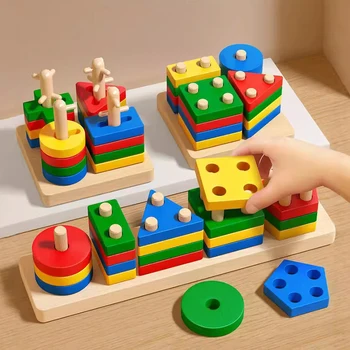
Motor skills, both fine and gross, are integral to a child’s overall physical development. Fine motor skills involve the use of smaller muscle groups, like those in the fingers and hands, while gross motor skills are related to larger muscle groups used in activities such as running and jumping. Educational toys such as building blocks and puzzles enhance fine motor skills by encouraging children to grasp, manipulate, and position small objects. This not only improves hand-eye coordination but also strengthens the muscles involved in these precise movements.
For gross motor skills, toys like tricycles, balance boards, and activity gyms are invaluable. These toys promote physical activity and coordination, helping children learn to balance, move rhythmically, and coordinate their limbs. For instance, when a child maneuvers a tricycle, they engage their leg muscles and learn spatial awareness, which is crucial for their physical development.
Incorporating a variety of educational toys into playtime not only supports motor skill development but also ensures that children are physically active, which is vital for their health and well-being. By choosing the right educational toys, parents and educators can provide a nurturing environment that supports physical growth while also being engaging and fun.
Want to explore more about how educational toys can benefit your child? Dive into our comprehensive guide on choosing the right toy for each stage of development.
The Impact of Educational Toys on Social and Emotional Development
In the ever-evolving landscape of childhood development, educational toys stand out as powerful tools that enhance not only intellectual growth but also social and emotional well-being. By engaging with these thoughtfully designed playthings, children can develop a wide array of skills that are crucial for navigating the complexities of human interaction and emotional intelligence.
Fostering Social Skills
One of the most profound impacts of educational toys is their ability to foster social skills. Toys that encourage group play, such as board games or collaborative puzzles, provide children with opportunities to learn about sharing, cooperation, and negotiation. Through these interactions, children practice taking turns, following rules, and understanding the perspectives of others. Such experiences are instrumental in developing empathy—a cornerstone of healthy social relationships.
Enhancing Emotional Development
Beyond social skills, educational toys also play a pivotal role in nurturing emotional development. Toys that stimulate creative play, like building blocks or role-playing sets, allow children to express themselves and explore different emotions in a safe environment. This type of play supports emotional regulation as children navigate feelings of frustration, joy, or disappointment. Additionally, educational toys can serve as tools for self-soothing and stress relief, helping children develop resilience and emotional stability.
Ultimately, the integration of educational toys into a child’s playtime routine can have lasting benefits. These toys provide more than just entertainment; they are essential resources for building a foundation of social and emotional intelligence that supports children throughout their lives. By investing in educational toys, caregivers and educators can unlock a child’s full potential, setting the stage for a future of enriched and fulfilling interactions.
Choosing the Right Educational Toys for Different Age Groups
In the expansive world of educational toys, selecting the right toys for different age groups is crucial. Each developmental stage presents unique opportunities and challenges that can be addressed through thoughtfully chosen toys. For parents and caregivers, understanding these stages can unlock a child’s learning potential, turning playtime into an enriching educational experience.
Infants and Toddlers (Ages 0-3)
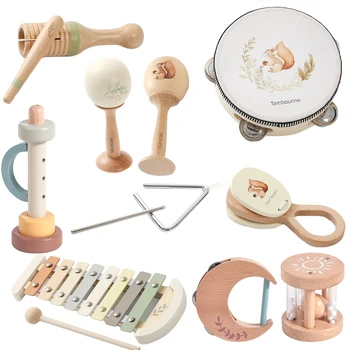
At this early stage, children are developing their sensory and motor skills. Toys that stimulate sight, sound, and touch are beneficial. Consider soft toys with varied textures, colorful stacking blocks, and musical instruments like rattles and drums. These toys not only provide entertainment but also aid in developing fine motor skills and sensory awareness.
Preschoolers (Ages 3-5)
As children transition into preschool years, their cognitive and social skills begin to flourish. Puzzles, building sets, and role-play kits can foster problem-solving abilities and creativity. Additionally, educational games that introduce basic math and literacy concepts can lay a solid foundation for future learning. Encourage open-ended play to stimulate imagination and critical thinking.
School Age (Ages 6-12)
For school-aged children, educational toys should be more challenging and intellectually stimulating. Science kits, board games, and robotics sets can engage their curiosity and foster a love for STEM (Science, Technology, Engineering, Mathematics) subjects. These toys help develop logical reasoning, teamwork, and perseverance, essential skills for their academic journey.
By selecting age-appropriate educational toys, parents can support their children’s natural curiosity and learning style. This thoughtful approach not only enhances developmental milestones but also cultivates a lifelong love of learning. Ready to explore our range of educational toys?


0 Comments